
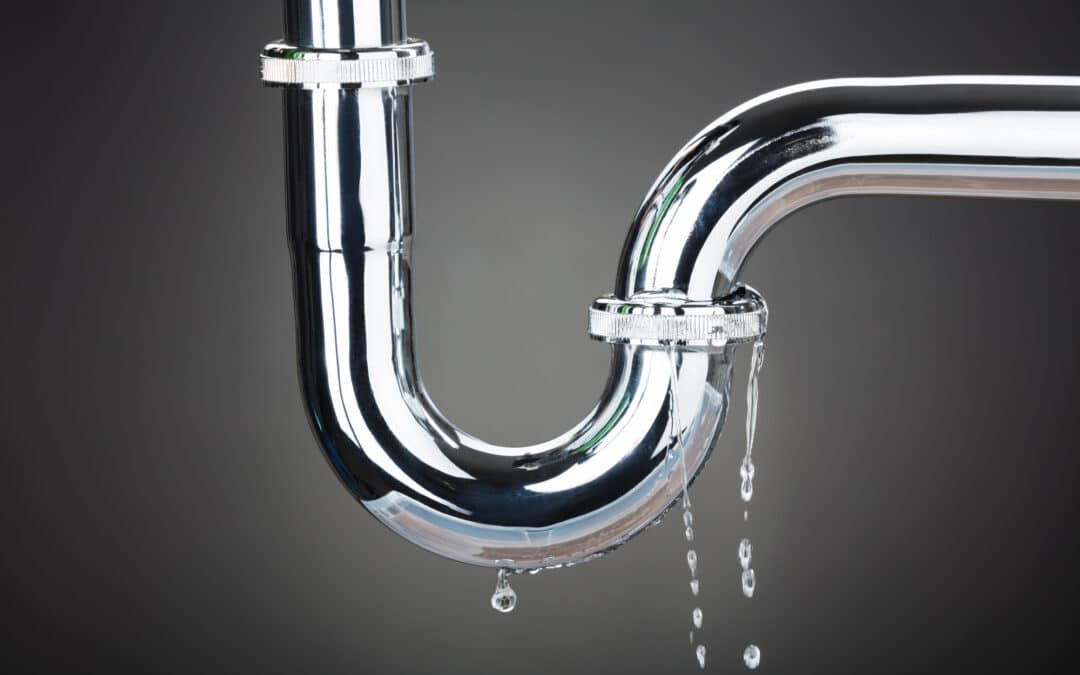
Hard water is a widespread issue in West Jordan, Utah, caused by high concentrations of calcium and magnesium minerals. Over time, these minerals build up inside pipes, water heaters, and fixtures, reducing water pressure, shortening appliance lifespans, and increasing the risk of costly plumbing repairs.
If you’ve noticed a chalky white residue around your faucets, sluggish drains, or a water heater that seems to be working harder than it should, hard water is likely the culprit. West Jordan sits in a region of Utah where the water supply naturally carries elevated mineral content—and while that’s not unusual for the area, it does put real, measurable stress on residential plumbing systems over time.
Understanding how hard water behaves inside your pipes is the first step to protecting your home. Frontier Plumbing works with West Jordan homeowners every day to address the damage hard water causes, and the patterns they see are consistent: the longer the problem goes unaddressed, the more expensive the fix becomes.
What Makes West Jordan’s Water So Hard?
Hard water gets its name from the dissolved minerals it carries—primarily calcium and magnesium—which it picks up as it moves through rock and soil before reaching your home. Utah consistently ranks among the states with the hardest water in the country, and communities in Salt Lake County, including West Jordan, are no exception.
Water hardness is measured in grains per gallon (GPG). Water with a reading above 7 GPG is generally considered hard, and many West Jordan households receive water that exceeds that threshold. The higher the mineral concentration, the more aggressively it interacts with your plumbing infrastructure.
How Scale Buildup Damages Your West Jordan Plumbing System
outdoor plumbing
The most direct way hard water harms a plumbing system is through a process called scaling. As hard water flows through pipes and fixtures, minerals gradually deposit on interior surfaces and harden over time. This buildup—commonly called limescale—is stubborn, accumulates silently, and rarely causes obvious problems until the damage is already significant.
Inside supply lines, scale narrows the passage through which water flows. A pipe that starts at its full diameter slowly becomes partially obstructed, which reduces water pressure throughout the home. Frontier Plumbing technicians in West Jordan frequently open up pipes during routine service calls and find scaling that has cut the effective diameter of the line by a substantial margin—something homeowners had no idea was happening.
The problem compounds in fixtures and appliances. Showerheads clog with mineral deposits, faucet aerators become restricted, and dishwashers struggle to clean effectively because the water passing through them is already laden with minerals that interfere with soap and detergent performance.
The Hidden Cost of Hard Water on Water Heaters
Water heaters are among the most vulnerable components of any West Jordan plumbing system when hard water is present. Sediment accumulates at the bottom of the tank as minerals settle out during the heating process. That layer of sediment acts as an insulating barrier between the heating element and the water it’s supposed to heat—forcing the unit to work harder and run longer to reach the target temperature.
The result is higher energy bills, reduced hot water output, and a significantly shortened lifespan for the appliance. A water heater that might last 12 to 15 years under normal conditions can fail in 8 years or fewer in a hard water environment without proper maintenance. Frontier Plumbing recommends that West Jordan homeowners have their water heaters flushed annually to clear sediment and extend the life of the unit.
Pipe Corrosion: A Slower, More Serious Threat
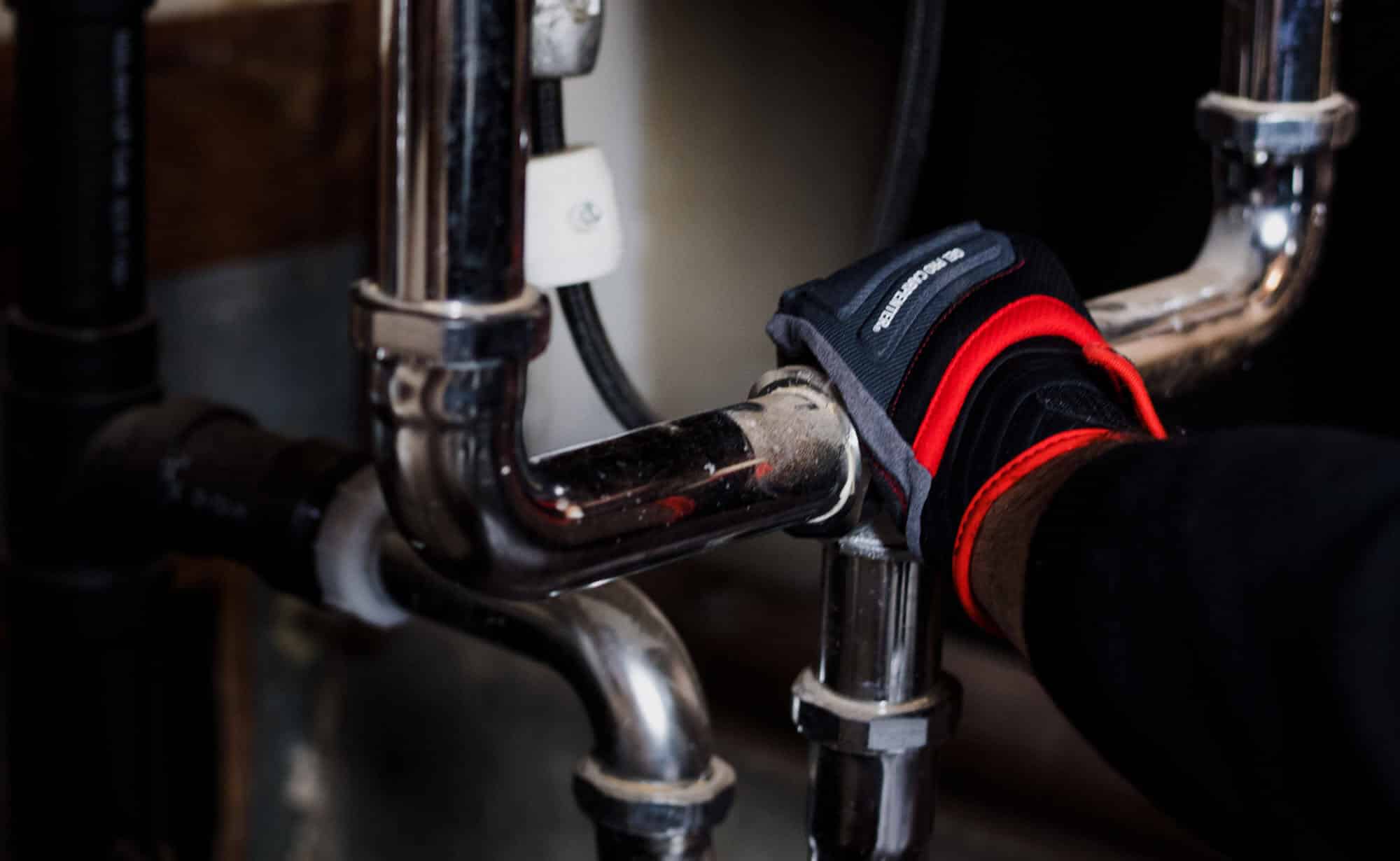
Beyond scaling, hard water also contributes to pipe corrosion—particularly in homes with older plumbing materials. The mineral content in hard water can react with certain metals over time, gradually degrading pipe walls and increasing the risk of pinhole leaks. These leaks are especially problematic because they often develop inside walls or under floors, going undetected until water damage becomes visible.
Homes built in West Jordan before the 1990s may still have galvanized steel pipes, which are especially susceptible to the combined effects of mineral buildup and corrosion. If your home falls into that category, a plumbing inspection from Frontier Plumbing can give you a clear picture of where your system stands and whether a repipe should be on your radar.
How Hard Water Affects Fixtures and Appliances Beyond the Pipes
The impact of hard water extends well past the pipes themselves. Every water-using appliance in your home—from the washing machine to the refrigerator’s ice maker—operates less efficiently when mineral-heavy water runs through it. Washing machines, for example, require more detergent to achieve the same cleaning results, and the heating elements inside them accumulate scale just as water heaters do.
Fixtures take cosmetic damage too. The white, chalky deposits that form around faucets and along tile grout lines in kitchens and bathrooms are classic signs of hard water. While these can be cleaned, they return quickly without addressing the underlying water quality issue. Over time, hard water can also degrade the finish on fixtures, dulling chrome and staining porcelain surfaces that are otherwise in good condition.
What Can West Jordan Homeowners Do About Hard Water?

The most effective long-term solution for hard water in a West Jordan plumbing system is a whole-home water softener. These systems use a process called ion exchange to replace calcium and magnesium ions with sodium ions before the water reaches your pipes and appliances. The result is water that flows freely through your plumbing without leaving mineral deposits behind.
Frontier Plumbing installs and services water softeners for homeowners throughout West Jordan, helping residents protect their plumbing investment from the ground up. For homes where a full softener system isn’t immediately practical, scale inhibitors and regular maintenance—including pipe flushing and water heater service—can slow the rate of damage while a longer-term plan is developed.
A point-of-use filter at the kitchen tap is another option for households primarily concerned about drinking water quality, though it won’t address the broader impact on the plumbing system as a whole.
Protecting Your Plumbing Before Problems Escalate
Hard water damage in a West Jordan plumbing system rarely announces itself with a dramatic failure. The process is gradual, unfolding over months and years until something finally gives out—a pipe springs a leak, a water heater fails unexpectedly, or a fixture simply stops working at the pressure it once delivered. By that point, the cost of repair is almost always higher than the cost of prevention would have been.
Frontier Plumbing encourages West Jordan homeowners to schedule a plumbing assessment if they haven’t had one recently—especially if their home is more than ten years old. Identifying scale buildup, testing water hardness, and inspecting vulnerable components like the water heater and supply lines can reveal exactly what condition your system is in and what steps make the most sense moving forward.
Take Action Before Hard Water Takes Its Toll
Hard water is a fact of life in West Jordan, but the damage it causes to your plumbing system is not inevitable. With the right combination of water treatment, routine maintenance, and professional guidance, homeowners can protect their pipes, extend the life of their appliances, and avoid the unexpected repair bills that hard water so often brings.
Frontier Plumbing is here to help. Whether you’re noticing the early signs of scale buildup or dealing with an existing plumbing issue you suspect is mineral-related, their team has the expertise to assess your West Jordan plumbing system and recommend solutions that actually work. Call today at (801) 806-0033 to learn more!