

Clogged drains usually result from a buildup of grease, hair, soap scum, and foreign objects that accumulate inside pipes over time. Frontier Plumbing & Heating recommends regular drain maintenance, mindful disposal habits, and periodic professional inspections to prevent blockages before they cause costly water damage or complete pipe failure.
If you’ve ever watched water pool around your feet in the shower or listened to your sink gurgle angrily after washing dishes, you know how frustrating a clogged drain can be. It’s one of those household problems that seems to appear out of nowhere, yet the truth is that most clogs build up gradually, hidden from view until they finally cause a backup.
Understanding what causes these blockages is the first step toward preventing them. Frontier Plumbing & Heating has seen firsthand how a few simple habits can mean the difference between a smoothly running plumbing system and an emergency call to a technician. This post breaks down the most common causes of clogged drains, explains why certain areas of your home are more prone to trouble, and offers practical guidance for keeping water flowing freely.
What actually causes clogged drains?
Every drain in your home faces a different combination of threats depending on how it’s used. In kitchens, grease and food particles are the primary culprits. When cooking oil or fat goes down the drain, it may look liquid at first, but it cools and hardens as it travels through the pipes, sticking to the interior walls. Over time, this creates a narrow passageway that traps other debris, eventually forming a complete blockage.
Bathroom drains face a different enemy. Hair, soap scum, and mineral deposits from hard water combine to form dense clumps that cling to pipe walls. Soap made with fats or lard performs the same congealing act as kitchen grease, contributing to the same sticky buildup. In toilets, clogs are often caused by items that were never designed to be flushed, including wipes labeled as “flushable,” feminine hygiene products, and excessive amounts of toilet paper.
Outside the home, tree roots represent one of the most damaging causes of drain blockages. Roots naturally seek out moisture, and even a small crack in a sewer line can be enough to invite root intrusion. Once inside the pipe, roots grow and expand, trapping waste and eventually causing significant structural damage. Frontier Plumbing & Heating notes that root-related clogs tend to be more common in older homes with clay or cast iron piping, since these materials are more prone to cracking than modern PVC alternatives.
Why do some drains clog more often than others?
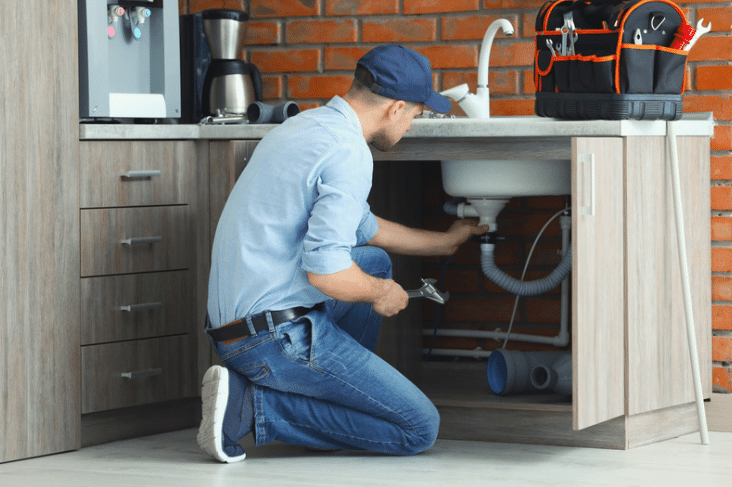
Not every drain in your home faces equal risk. Kitchen sinks and bathroom drains tend to clog most frequently because they process the widest variety of debris on a daily basis. A kitchen sink deals with food scraps, grease, and coffee grounds, while a bathroom sink or shower drain contends with hair, soap, and cosmetic residue.
Older homes face additional challenges. Aging pipes may have rough interior surfaces or narrower diameters compared to modern piping, making it easier for debris to catch and accumulate. Homes with septic systems can also experience more frequent clogs if the system isn’t pumped and maintained on a regular schedule, since backups in the septic tank can affect drainage throughout the house.
Choose more frequent professional inspections if your home was built several decades ago or if you’ve noticed recurring slow drains, since these signs often point to deeper issues within the pipe system rather than a simple surface-level clog.
How can you tell if a clog is forming before it becomes a full blockage?
Slow drainage is usually the earliest warning sign. If water takes longer than usual to disappear from a sink, tub, or shower, a partial blockage is likely already forming inside the pipe. Gurgling sounds coming from drains or toilets are another indicator, as they suggest trapped air is struggling to escape past an obstruction.
Unpleasant odors rising from a drain often signal that organic material, such as food waste or hair, is decomposing inside the pipe. In more advanced cases, water may back up into another fixture. For example, running the washing machine might cause water to bubble up in a nearby shower drain, which indicates a shared line is significantly obstructed.
Frontier Plumbing & Heating advises addressing these symptoms as soon as they appear rather than waiting for a complete blockage. Small clogs are far easier and less expensive to clear than the extensive damage that can result from a burst pipe or prolonged water exposure.
What can you do at home to prevent clogged drains?
Leaky Pipe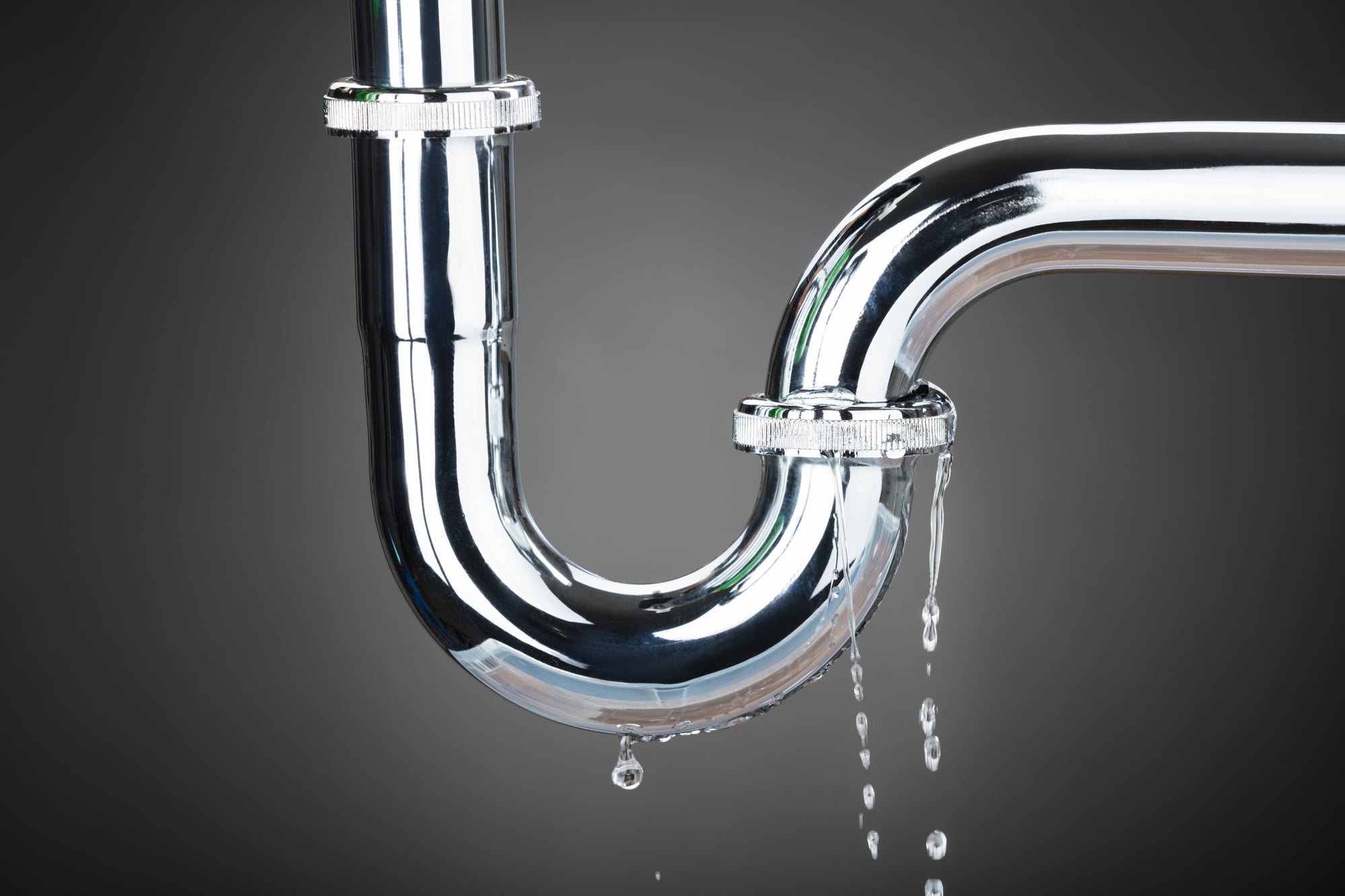
Prevention starts with mindful habits in the kitchen and bathroom. Letting grease and cooking oil cool before disposing of them in the trash, rather than pouring them down the sink, prevents one of the most common sources of kitchen clogs. Installing a drain strainer in both kitchen and bathroom sinks catches food particles and hair before they enter the pipe system, and emptying the strainer regularly keeps it working effectively.
Running hot water through your drains after each use helps keep grease and soap residue moving rather than allowing it to settle and harden. For bathroom drains specifically, removing visible hair buildup from the drain cover on a weekly basis can prevent a significant portion of clogs before they start.
Flushing toilets only with human waste and toilet paper designed to break down in water protects both the toilet itself and the sewer line beyond it. Even products labeled as flushable often fail to disintegrate quickly enough, so it’s best to dispose of wipes, cotton products, and hygiene items in the trash instead.
Choose enzyme-based drain cleaners over chemical alternatives if you’re looking for a maintenance solution that won’t damage older or more fragile pipes. Chemical drain cleaners can generate heat that warps plastic piping and corrodes metal pipes over time, whereas enzyme-based products break down organic material more gently.
When should you call a professional plumber?
Some clogs respond well to at-home remedies like a plunger or a drain snake, but certain warning signs call for professional attention. Recurring clogs in the same drain, despite repeated at-home treatment, often indicate a deeper obstruction or a structural issue such as root intrusion or a collapsed section of pipe. Multiple slow drains throughout the house can point to a blockage in the main sewer line rather than an isolated problem in a single fixture.
Frontier Plumbing & Heating uses tools such as video pipe inspection to identify the exact location and cause of stubborn clogs without invasive digging. This technology allows technicians to diagnose issues accurately, whether that means a targeted hydro-jetting service to clear built-up debris or a more involved repair for cracked or root-damaged piping.
Choose professional intervention over repeated store-bought treatments if a clog returns within a few weeks of clearing it, since this pattern usually signals an underlying problem that home remedies can’t resolve.
Keep your drains flowing with routine care
Clogged drains rarely happen overnight. They build gradually through everyday habits, aging infrastructure, and, in some cases, factors outside your control like tree root growth. Recognizing the early warning signs and adjusting daily habits around grease disposal, hair removal, and proper flushing can prevent the vast majority of household clogs.
For homeowners dealing with recurring blockages or slow drains that won’t improve, Frontier Plumbing & Heating offers professional diagnostic and drain cleaning services designed to identify the root cause rather than just treating the symptoms. Scheduling a routine inspection today can save significant time, money, and stress down the line. Reach out by calling (801) 806-0033.