
Dealing with clogged drains can turn any ordinary day into a frustrating ordeal. Water backing up in your sink, shower, or bathtub not only disrupts your daily routine but can also lead to costly repairs if left unchecked. The good news is that most drain blockages are entirely preventable with the right knowledge and consistent habits.
Understanding what causes drains to clog and implementing simple preventive measures can save you from emergency plumber visits and expensive repairs. Frontier Plumbing has seen countless homeowners struggle with preventable drain issues that could have been avoided with proper maintenance. This guide will walk you through everything you need to know about keeping your drains flowing freely.
Understanding What Causes Clogged Drains
Kitchen drains face unique challenges compared to other areas of your home. Grease and oil from cooking are among the most common culprits behind kitchen sink blockages. When hot grease goes down the drain, it solidifies as it cools, creating a sticky trap for food particles and debris. Over time, this buildup restricts water flow and eventually blocks the drain completely.
Food scraps, even small ones, can accumulate and create significant blockages. Coffee grounds, rice, pasta, and fibrous vegetables like celery are particularly problematic because they expand when wet or don’t break down easily in water. Soap residue and mineral deposits from hard water can also contribute to gradual drain narrowing.
Bathroom drains present their own set of challenges. Hair is the primary villain in shower and bathtub drains, especially when combined with soap scum and body oils. Bar soap creates more residue than liquid soap, making it more likely to contribute to clogs. Toilet paper buildup, feminine hygiene products, and cotton swabs can cause toilet blockages that extend into main drain lines.
Kitchen Drain Prevention Strategies
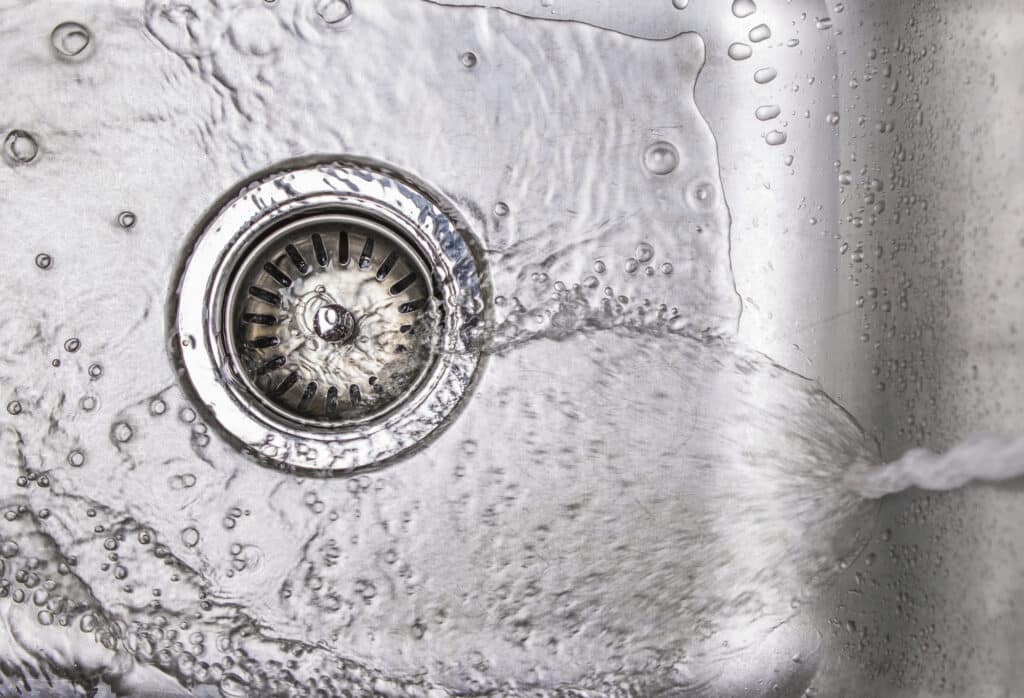
Proper kitchen drain maintenance begins with what you allow down your sink. Never pour cooking oils, fats, or grease directly into the drain. Instead, let these substances cool and solidify, then scrape them into the trash. For liquid oils, wipe them up with paper towels before washing dishes.
Installing a sink strainer or drain screen catches food particles before they enter your plumbing system. Clean these strainers regularly and dispose of trapped debris in the garbage. Even with a garbage disposal, avoid putting fibrous vegetables, bones, eggshells, and coffee grounds down the drain.
Running hot water while using the garbage disposal helps flush debris through the system more effectively. However, cold water works better when grinding fatty foods because it keeps fats solid until they pass through the disposal blades. Frontier Plumbing recommends alternating between hot and cold water depending on what you’re disposing of.
Regular cleaning maintains optimal drain performance. Pour a pot of boiling water down your kitchen drain weekly to dissolve soap residue and flush away minor buildups. Monthly treatments with baking soda and vinegar can help break down organic matter and neutralize odors.
Bathroom Drain Maintenance
Hair removal is crucial for bathroom drain health. Install drain covers with fine mesh or hair catchers in shower and tub drains. Clean these devices after each use to prevent hair from washing past them. Long hair poses a greater risk, so consider brushing hair before showering to remove loose strands.
Soap selection impacts drain health more than most people realize. Liquid soaps and body washes create less residue than bar soaps, reducing the sticky buildup that traps hair and debris. If you prefer bar soap, rinse the area thoroughly after use and run hot water down the drain for several seconds.
Mineral buildup from hard water can gradually narrow drain openings. Monthly treatments with white vinegar help dissolve these deposits. Remove drain stoppers and clean them thoroughly, removing hair and soap scum that accumulates around the mechanism.
Professional Prevention Tips
Frontier Plumbing emphasizes the importance of understanding your home’s plumbing system. Older homes may have cast iron or clay pipes that are more susceptible to root intrusion and mineral buildup. Tree roots naturally grow toward water sources, and small cracks in underground pipes can allow roots to enter and create major blockages.
Water pressure affects drain performance more than homeowners typically consider. Low water pressure may not adequately flush debris through the system, allowing materials to settle and accumulate. If you notice decreased water pressure, address the issue promptly to prevent drain problems.
Seasonal maintenance schedules help prevent problems before they start. Spring cleaning should include drain inspection and cleaning, while fall preparation might involve removing outdoor hose connections to prevent freezing and pipe damage that could affect indoor drains.
When to Call Professionals

Some drain issues require professional intervention despite preventive efforts. Recurring clogs in the same drain indicate deeper problems that typical home remedies won’t resolve. Multiple drains backing up simultaneously suggests a main line blockage that requires specialized equipment.
Strange noises from drains, such as gurgling or bubbling sounds, can indicate ventilation issues or partial blockages that may worsen over time. Foul odors emanating from drains might signal sewer gas backups or bacterial growth in standing water.
Frontier Plumbing uses advanced diagnostic equipment like video cameras to inspect drain lines and identify problems that aren’t visible from the surface. Professional hydro-jetting services can remove years of buildup that standard cleaning methods can’t address.
Keeping Your Drains Healthy
Prevention remains the most effective and economical approach to drain maintenance. Simple daily habits, combined with regular maintenance routines, can prevent most common drain problems. Remember that what goes down your drains directly impacts your plumbing system’s longevity and performance.
Investing time in preventive maintenance saves money on repairs and extends the life of your plumbing system. When prevention isn’t enough, don’t hesitate to contact professionals like Frontier Plumbing who can diagnose and resolve issues before they become major problems. Call (801) 806-0033 today to find out more!