
Common plumbing warning signs include slow drains, low water pressure, discolored water, unusual noises, and unexplained spikes in your water bill. Catching these early can prevent costly repairs. Frontier Plumbing recommends annual inspections to keep your home’s plumbing system in top shape.
Your home’s plumbing works quietly in the background every single day—until it doesn’t. A small drip under the sink or a slow-draining shower might seem like minor inconveniences, but these are often the first signs of a much bigger problem developing behind your walls or beneath your floors.
The challenge for most homeowners is knowing which warning signs to take seriously. Some issues are cosmetic. Others, if ignored, can escalate into water damage, mold growth, or structural deterioration that costs thousands of dollars to fix. Frontier Plumbing has seen firsthand how early detection makes the difference between a simple repair and a full-scale renovation.
This guide walks you through the most common plumbing warning signs, what they mean, and when it’s time to call a professional.
What Does a Slow Drain Actually Tell You?
A slow drain is one of the most overlooked plumbing warning signs—and one of the most telling. Most homeowners assume it’s just a minor clog, pour some store-bought drain cleaner down the pipe, and move on. Sometimes that works. But when multiple drains in your home are slow at the same time, the problem is rarely surface-level.
Simultaneous slow drains across your bathroom, kitchen, and laundry room often point to a blockage in your main sewer line. Tree roots, grease buildup, and degraded pipe materials are common culprits. Left unaddressed, a blocked sewer line can cause wastewater to back up into your home—an unpleasant and expensive outcome that Frontier Plumbing’s team encounters more often than most homeowners would expect.
If a single drain is slow, it’s likely a localized clog. If it keeps coming back after cleaning, that’s a signal worth investigating further.
Why Is My Water Pressure So Low?
Weak water pressure is frustrating on its own, but it’s the underlying cause that should concern you. A sudden drop in water pressure throughout your entire home may indicate a leak somewhere in your main water line. Pressure that was always low, on the other hand, might point to sediment buildup inside your pipes or an issue with the municipal supply.
Frontier Plumbing often identifies partially closed shut-off valves as a surprisingly common cause of low pressure—especially in homes that have had recent plumbing work done. A valve that wasn’t fully reopened after a repair can restrict flow to an entire section of your home without anyone realizing it.
If the pressure drop is sudden and localized to one fixture, a failing pressure regulator or a corroded pipe connection is worth investigating.
What Causes Discolored or Rusty Water?
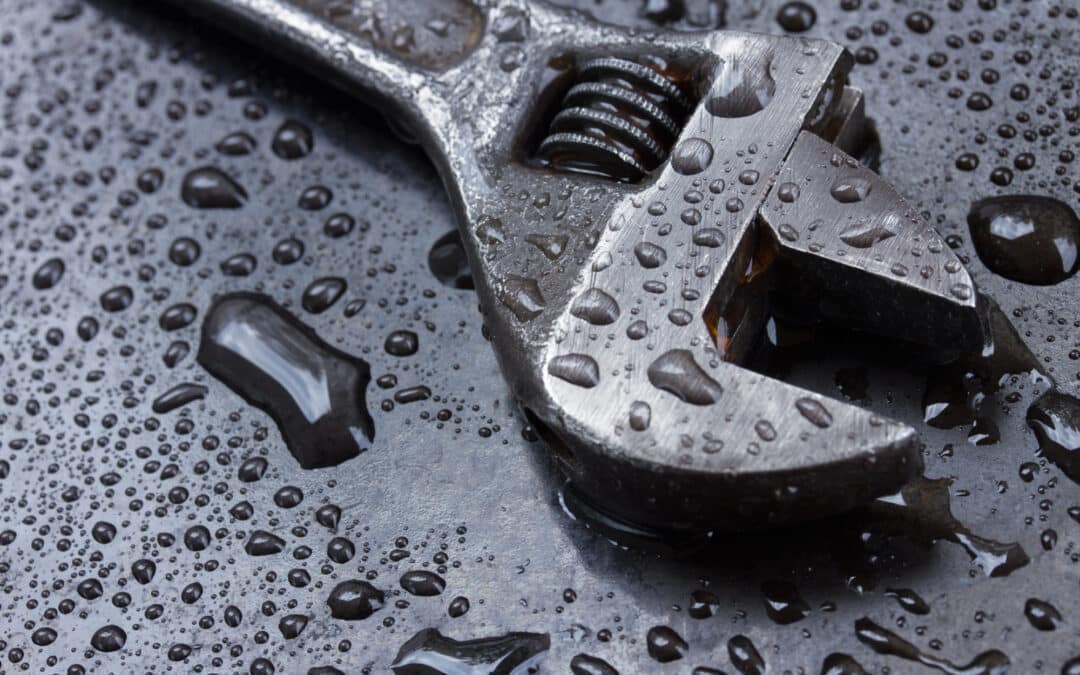
rusty pipe leaking
Brown, yellow, or rust-colored water coming from your taps is one of the more alarming plumbing warning signs—and rightly so. The most common cause is corroding pipes, particularly in older homes with galvanized steel plumbing. As these pipes age, rust flakes off the interior walls and enters your water supply.
Discoloration that appears only when you run hot water typically points to your water heater. Sediment accumulates at the bottom of water heater tanks over time, affecting both water quality and heating efficiency. Frontier Plumbing recommends flushing your water heater annually to prevent this kind of buildup.
If the discoloration affects both hot and cold water and doesn’t clear up after running the tap for a few minutes, contact a plumber promptly. Persistent rust in your water supply can affect your health and signals that pipe replacement may be necessary.
What Do Unusual Noises in Your Pipes Mean?
Pipes make noise—but not all noises are normal. A banging sound when you turn off a faucet, often called a “water hammer,” occurs when water flow is suddenly stopped and the momentum causes pipes to knock against the wall framing. While occasionally harmless, repeated water hammer can weaken pipe joints over time.
Gurgling sounds coming from your toilet or drains after water flows elsewhere in the house usually indicate a venting problem. Your plumbing system relies on vent pipes to regulate air pressure. When those vents are blocked—by debris, bird nests, or deterioration—air gets trapped and escapes through the nearest drain, producing that distinctive gurgling sound.
Frontier Plumbing’s technicians frequently trace gurgling toilets back to blocked roof vents, a fix that’s straightforward once the problem is identified but easy to misdiagnose without the right equipment.
How Can a Spike in Your Water Bill Signal a Plumbing Problem?
A water bill that suddenly jumps without any change in your household’s habits is one of the most reliable plumbing warning signs. Hidden leaks are the primary reason. A toilet with a faulty flapper valve, for example, can waste hundreds of gallons of water per day without any visible sign of a problem.
To check for a silent toilet leak, add a few drops of food coloring to your toilet tank. If color appears in the bowl without flushing, the flapper is leaking. It’s a small fix with a significant impact on your water usage and monthly bill.
More serious hidden leaks—those occurring inside walls, under concrete slabs, or beneath your home’s foundation—require professional detection equipment. Frontier Plumbing uses leak detection technology to locate these issues without unnecessary damage to your property, saving homeowners both time and money.
What Should You Do If You Notice Wet Spots or Water Stains?
water damage on wall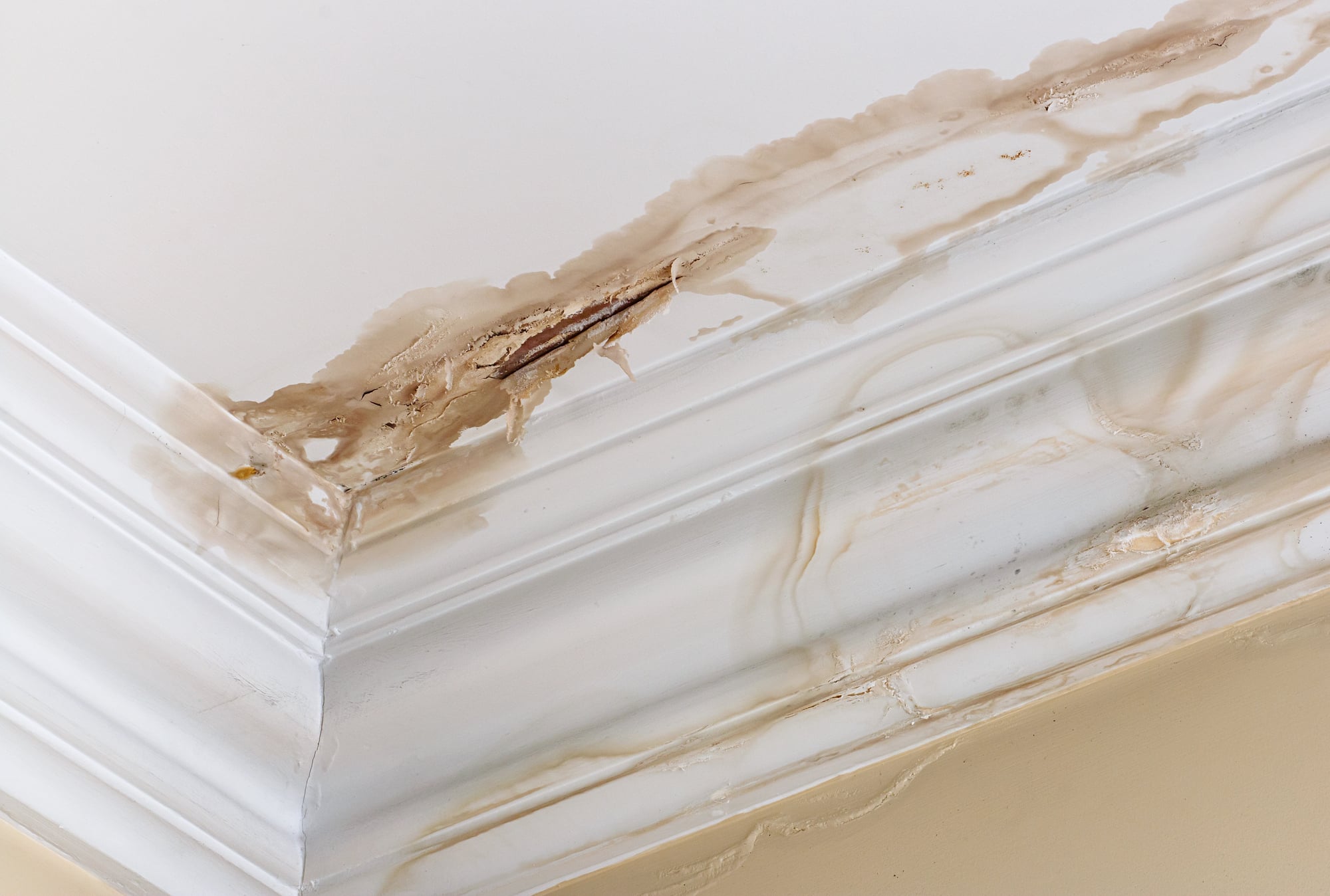
Water stains on ceilings or walls, damp patches on floors, and bubbling paint are physical evidence that water is going somewhere it shouldn’t. These signs are especially important because the visible damage you see is rarely the full extent of the problem. By the time a water stain appears on your ceiling, the leak has often been active long enough to saturate insulation and begin encouraging mold growth.
Mold develops within 24 to 48 hours of water exposure under the right conditions. Once it spreads inside a wall cavity, remediation becomes significantly more involved and expensive. Frontier Plumbing consistently advises homeowners not to wait on these warning signs—a water stain is not a cosmetic issue, it’s a structural one.
When Should You Call Frontier Plumbing?
Most plumbing warning signs share something in common: they get worse with time, not better. What starts as a minor drip or a slightly slow drain can develop into significant water damage, mold contamination, or a complete pipe failure if ignored.
Frontier Plumbing recommends scheduling a professional inspection at least once a year, particularly for homes over 20 years old or those that haven’t had a recent plumbing assessment. Annual inspections catch deterioration before it becomes an emergency, and they give homeowners a clear picture of the condition of their pipes, water heater, and fixtures.
The best time to address a plumbing problem is before it becomes a crisis. If any of the warning signs in this guide sound familiar, reach out to Frontier Plumbing for a professional assessment—your home will thank you for it. Call now to learn more at (801) 806-0033 today!